

Introduction: The Paradox of Persistence#
In my journey of technological evolution, I have always fought against the “physical constraint.” We began by making the workstation immutable with the TazPod project, transforming my development environment into a secure, encrypted, and portable enclave. But a workstation without its cluster is like a craftsman without his workshop.
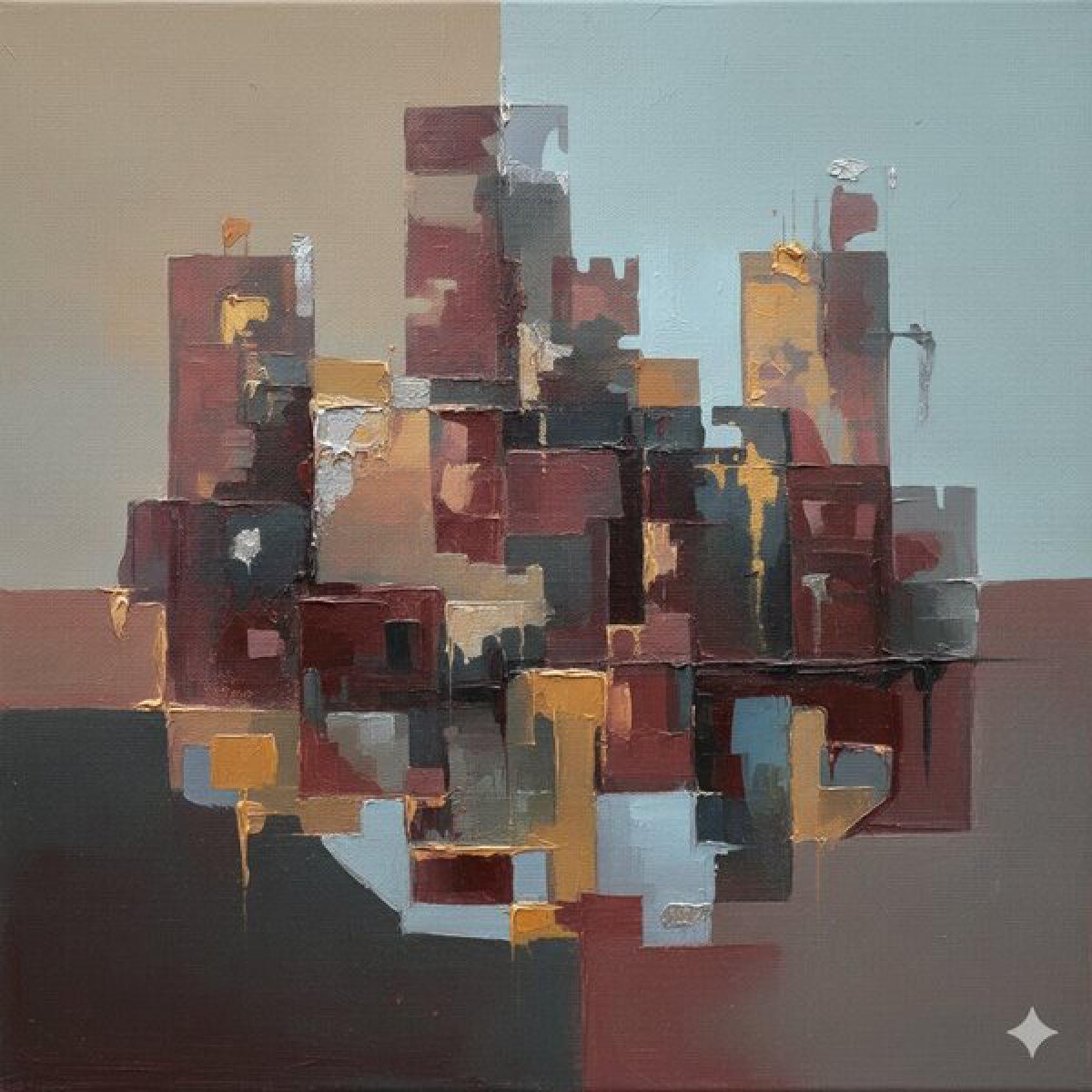
Today, I want to talk to you about the next phase: the transformation of my entire Kubernetes cluster into an Ephemeral Castle.
The objective is radical: to go beyond the traditional concept of Infrastructure as Code (IaC) to arrive at an infrastructure that is, by definition, placeless. It does not matter if my local Proxmox server explodes or if the power is cut while I am on the other side of the world. If I have a laptop with Linux and an internet connection, my entire digital world must be able to be reborn in 10 minutes.
The Disaster Scenario (and the Nomadic Response)#
Imagine this scenario: I am traveling, and my home cluster is unreachable. Perhaps a fatal hardware failure or a prolonged blackout. In the past, this would have meant the end of productivity.
Today, the procedure is almost ritualistic:
- I take any Linux computer.
- I download the TazPod static binary.
- I execute the “Ghost Mount”: I enter my passphrase, TazPod contacts Infisical and downloads my identities into an encrypted memory area.
- I am operational again. I have the keys, I have the tools, I have the knowledge.
From this moment, the reconstruction of the castle begins.
The TazPod: The Zero Trust Swiss Army Knife#
TazPod is not just a container; it is my digital toolbox. Thanks to its architecture in Go and the use of Linux Namespaces, it guarantees that my credentials never touch the “guest” computer’s disk in plain text.
With instant access (less than 2 minutes), TazPod provides me with the bridge to the cloud. The decoupling between physical hardware and my security is total. I do not trust the PC I am using; I only trust the encryption that TazPod manages for me.
Terraform and Flux: Recreating the Castle in 10 Minutes#
The strength of the rebirth lies in the union between Terraform and the GitOps philosophy of Flux.
1. The Ground (Terraform)#
I launch a Terraform command. In a few minutes, the nodes are allocated on a cloud provider (e.g., AWS). It is not a massive cluster, but the “minimum requirement” for High Availability (HA): 3 Control Plane nodes and 2 Workers. Terraform dynamically configures what is needed: whether it is S3 for storage or DNS pointing on Cloudflare.
2. The Foundations and Walls (Flux)#
Once the nodes are ready, Terraform installs only one component: FluxCD. Flux is the castle’s butler. It connects to my private Git repositories and begins reading the manifests. In a cascade of automation, Flux recreates:
- Networking and Ingress (Traefik).
- Security policies and certificates (Cert-Manager).
- All my application services, from the blog to monitoring tools.
3. The Treasures (The Return of Data)#
An empty castle is useless. The data, the true value, is retrieved from encrypted backups on S3. Thanks to Longhorn or native restore mechanisms, volumes are repopulated.
In about 7-10 minutes, I point the Cloudflare DNS towards the new public IP of the LoadBalancer. The world noticed nothing, but my cluster was reborn on another continent, on different hardware, with the exact same configuration as before.
Conclusion: Freedom is an Algorithm#
This vision transforms infrastructure into something gaseous, capable of expanding or condensing wherever necessary. I am no longer bound to a place or a physical device.
My cluster is ephemeral because it can die at any time without pain. It is portable because it lives in my Git repositories. It is secure because the keys to unlock it live only in my mind and in my TazPod.
This is the quintessenza of resilience in the digital age: owning nothing physical that cannot be recreated by a line of code in less than 10 minutes. The castle is in the air, and I have the keys to make it land wherever I am.